Preventive Custody is based on a method where an art therapist, a dramaturg, a writer/researcher, a scenographer, and an artist collaborate to create a pathway for six women. These women, from here onward referred to as scriptwriters, were stranded in the exploitative networks of human trafficking and prostitution in the Madre de Dios region of Peru—closely tied to the illegal gold mining industry—and became the authors of a theatre script. These scriptwriters had been exploited for their bodies and unfairly criminalised by a system that often treats victims as perpetrators.
The Preventive Custody project exemplifies a unique approach to breaking cultural power dynamics by giving creative control to the participants. The scriptwriters—survivors of human trafficking—were positioned as the masterminds of their own narratives, free to create any story they wished. Adding to this challenge was the presence of established professionals from Peru and Sweden, placed into an intense living-together situation in the Peruvian jungle. This environment, where the problem that informs the project—human trafficking—operates, aimed to create a space for reflection and transformation in their creative processes.
For scenographer Johanna Mårtensson, the experience of living in a context as foreign as the Peruvian Amazon, with the inherent vulnerability that such an environment imposes, alongside the sources and creators of the story—before the story itself even existed—was intended to open up new layers of creative honesty. Similarly, for dramaturgist Eva Maria Dahlin, sharing in the daily realities of laughter, tears, and celebration with the creators of a yet-to-be-written narrative offered the possibility of being deeply affected. This intimate, immersive experience was envisioned to enable the professionals to explore new dimensions of narrative, blending these personal experiences with their work in ways that would challenge their conventional creative approaches.
Like my previous project, Searching for Power on the Collective Laugh, Preventive Custody aims to provide a platform for those whose voices are often silenced, using art as a tool to reshape power dynamics and offer collaborative processes that function as a decolonial force. In many ways, Preventive Custody represents an evolution of my artistic practice, further instrumentalising my role as an artist. Here, I offer my privilege and access as tools for others to tell their stories, allowing them to take control of their own representation. This shift in authorship—from passive subjects to active agents—underscores the structural impact the project had on the participants’ lives.[…]
[…]The core of the project revolves around the scriptwriters’ experiences, particularly their encounters with the local justice system, which unjustly prosecutes many victims of human trafficking. One such case involved Mayra Bastos Garcia, who was wrongfully imprisoned as a human trafficker after being left in charge of a bar-brothel in Puerto Maldonado. This narrative exposes the paradox of victimhood and criminalisation faced by these scriptwriters. The term Preventive Custody symbolises the harsh legal mechanism that allows authorities to imprison women based on tenuous involvement in the criminal networks that exploit them.
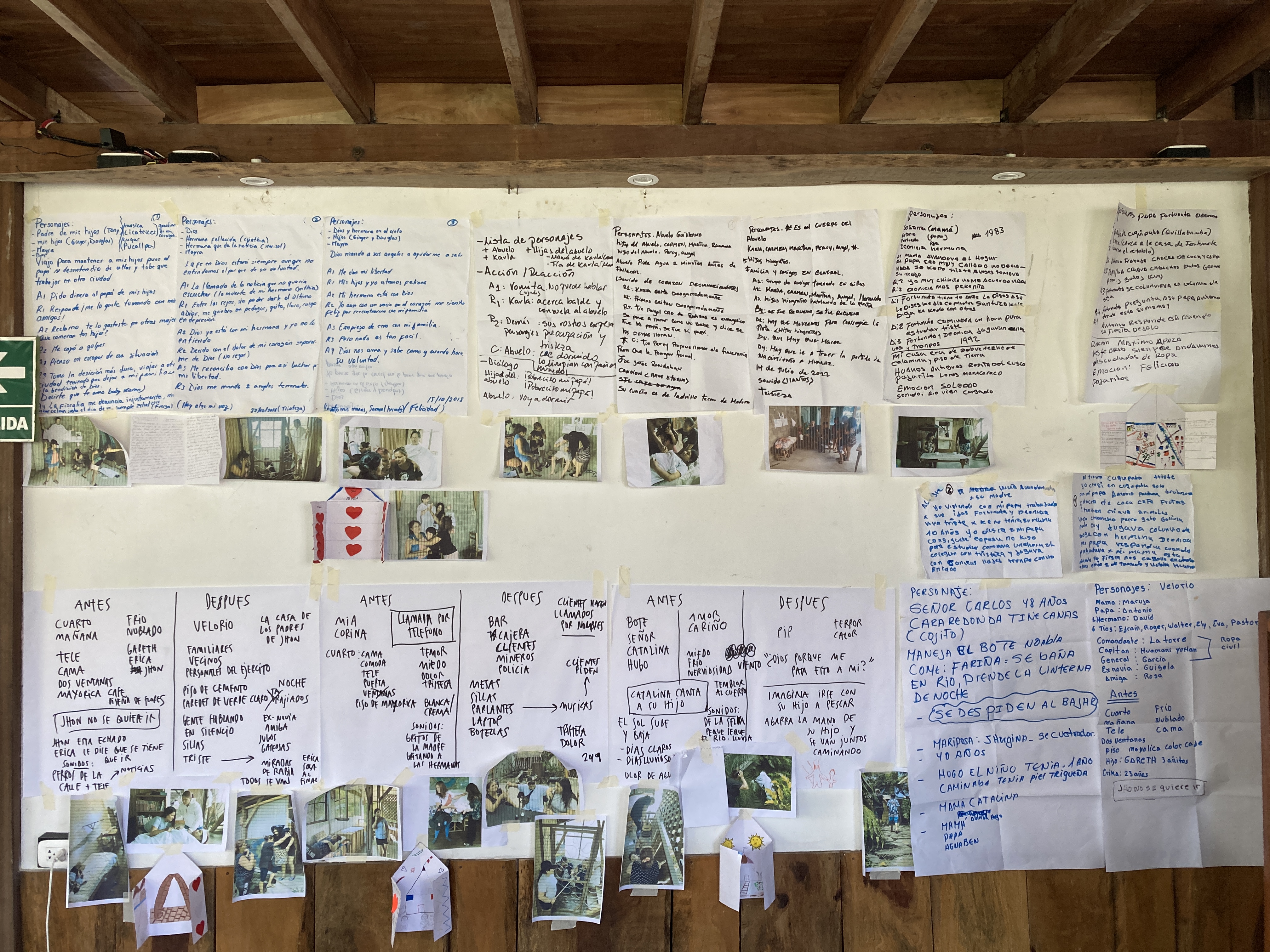
Thematically, the project spans two distinct contexts: the illegal gold mining regions of Peru and the theatrical realm of Sweden. In its first phase, the scriptwriters, all survivors of human trafficking, collaborated in Puerto Maldonado to create a script. The self-named Six Sisters of God had full creative control over the content, choosing to weave their personal traumas and struggles into the play. The project challenges the conventional role of the artist as content creator, positioning the artist instead as a tool or facilitator, empowering others to share their stories…
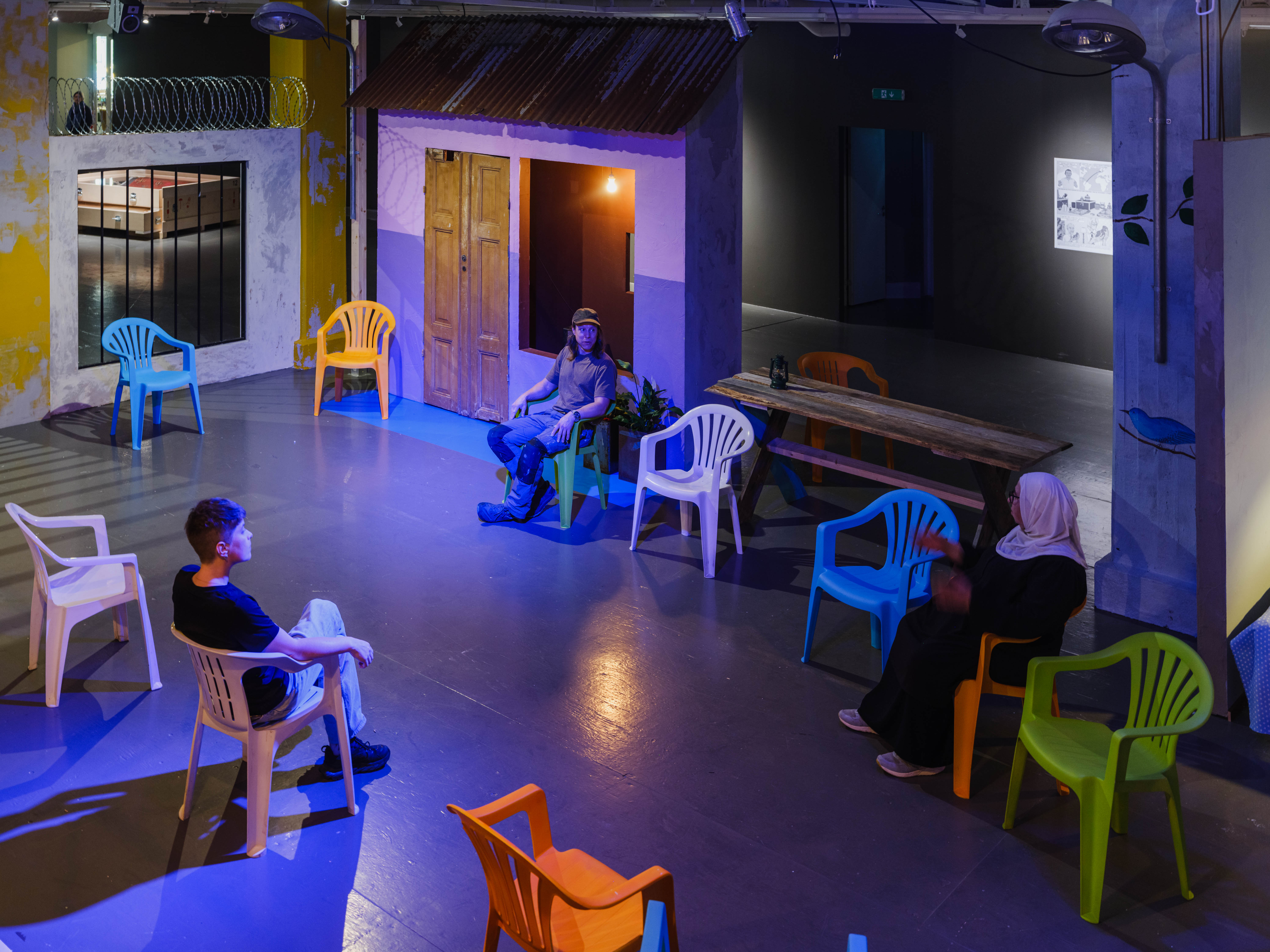
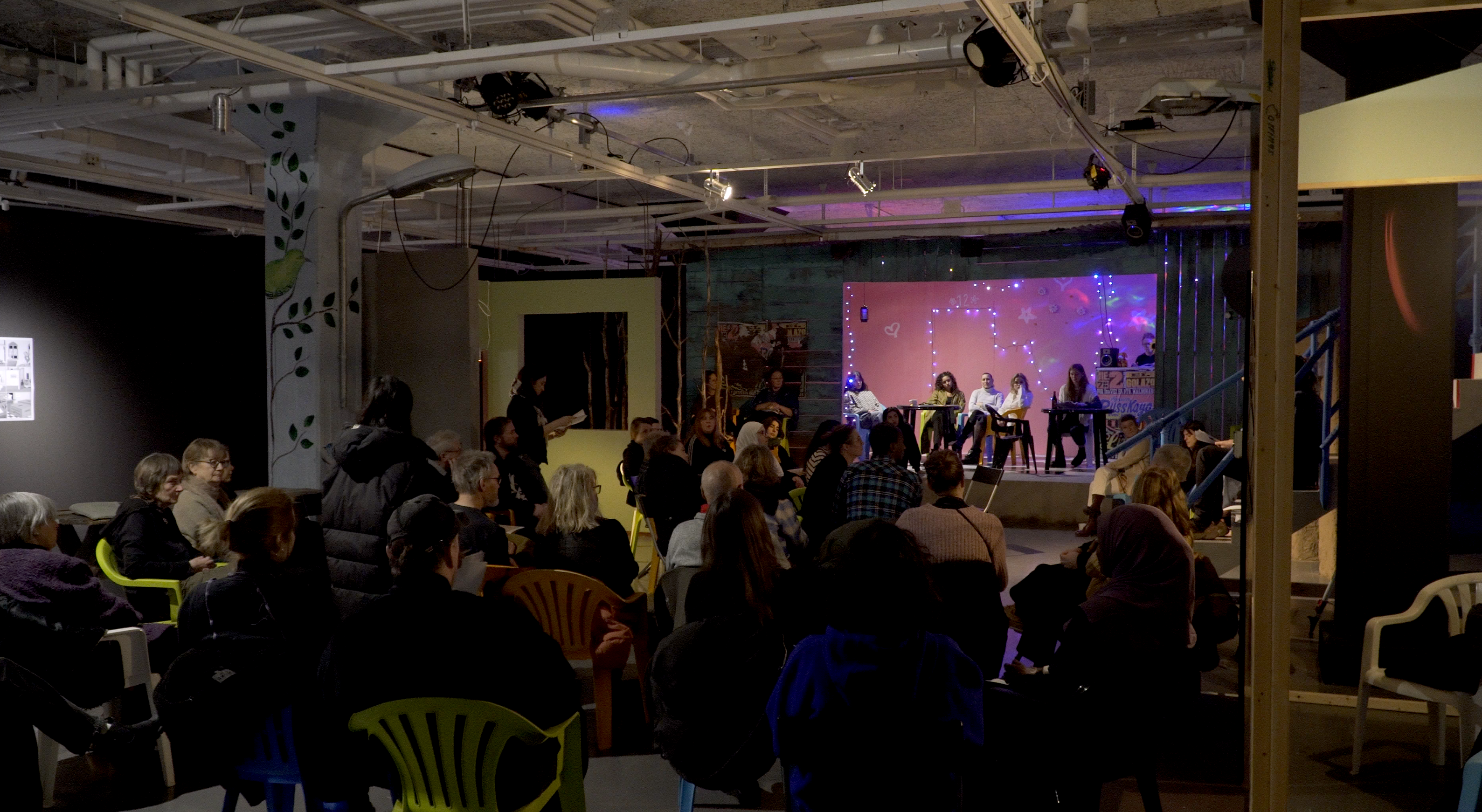

 Mining Life